Proven Antifouling Technology for Demanding Environments
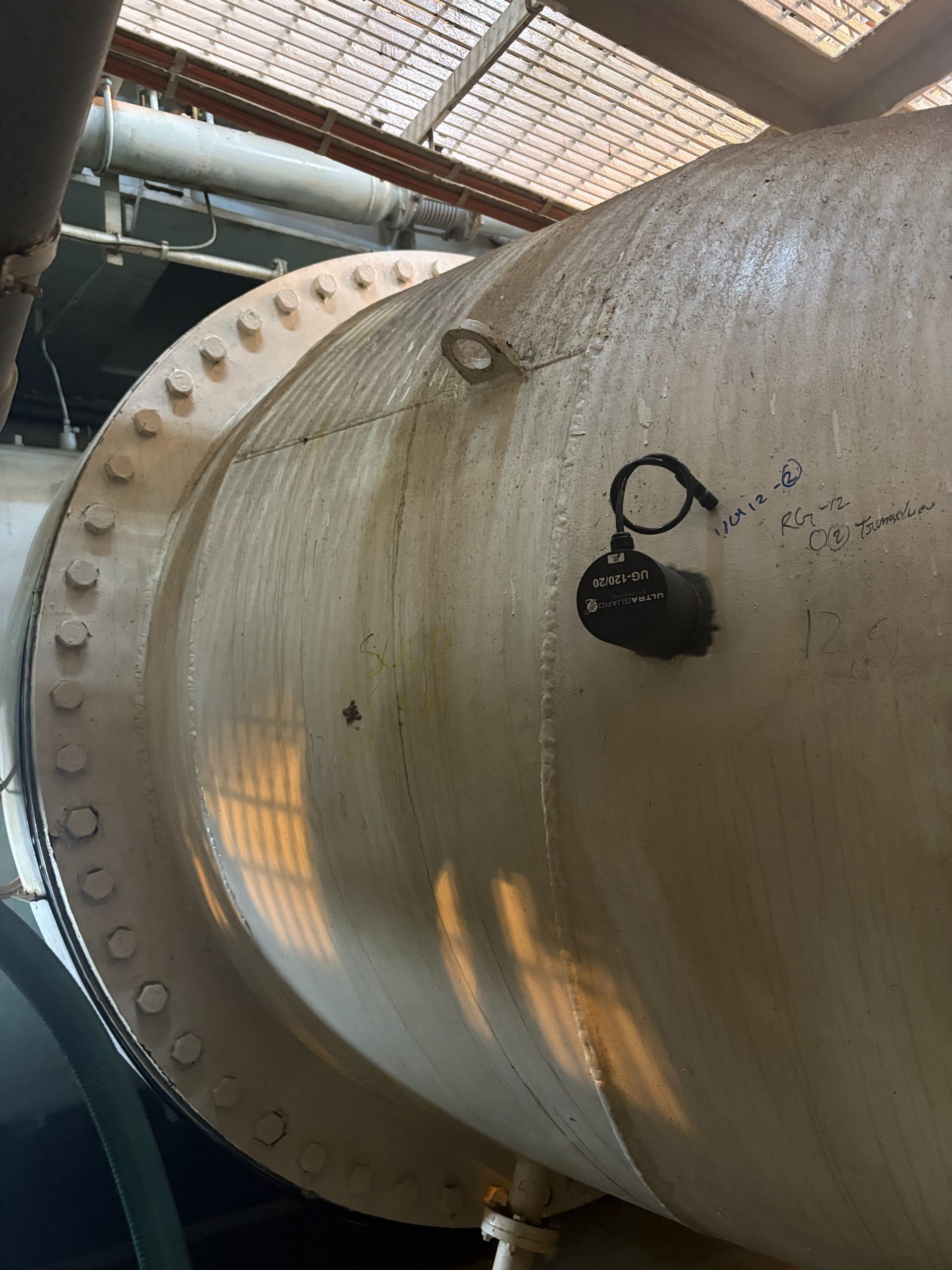
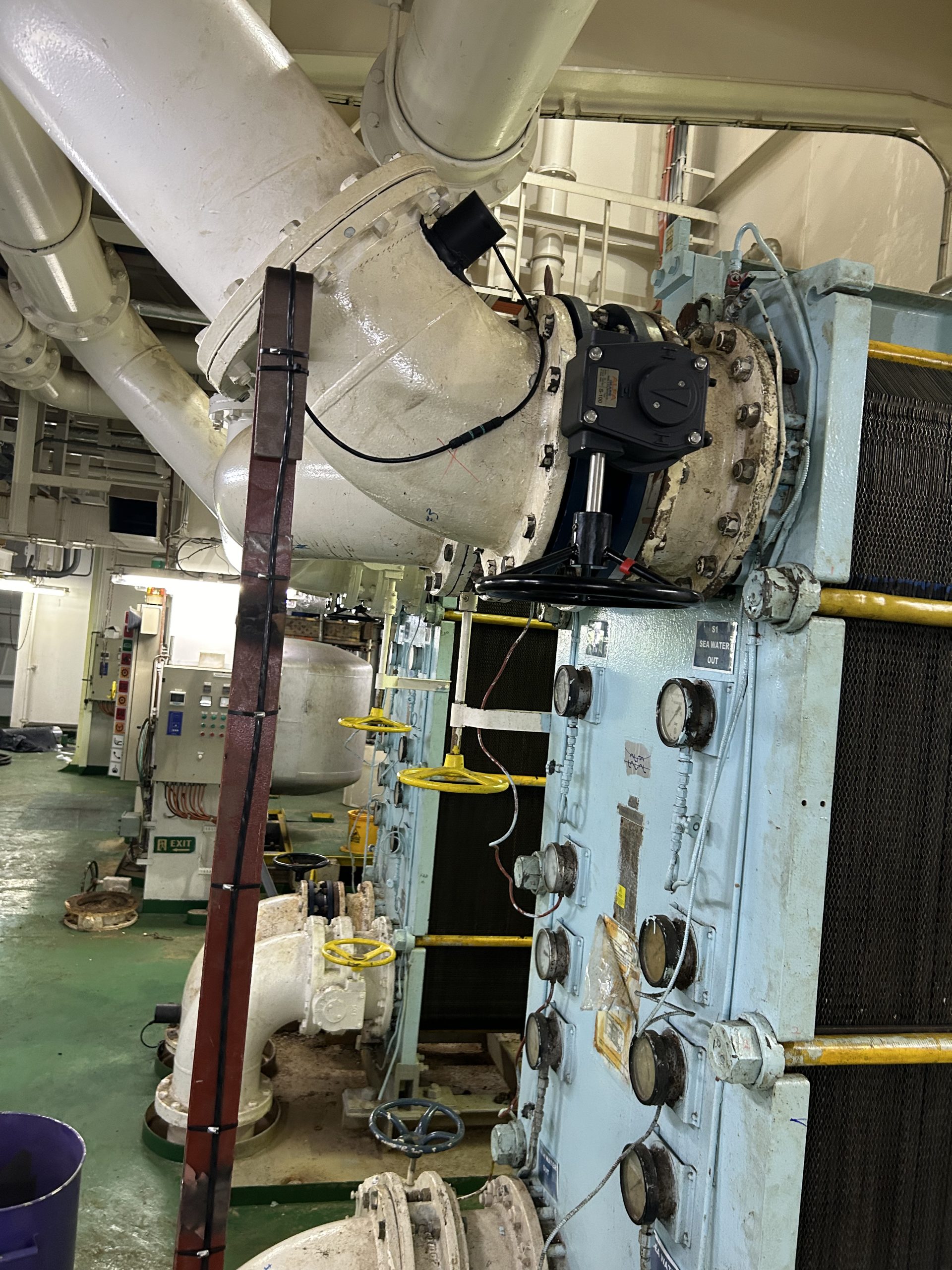
As the U.S. distributor for Ultraguard, J&J Maritime Services provides ultrasonic antifouling systems that stop marine growth before it takes hold. Using high-frequency sound waves, Ultraguard prevents biofouling on hulls, pipes, and sea chests — reducing drag, cutting fuel use, and protecting the environment.
Unlike coatings or biocides, Ultraguard is 100% eco-friendly, safe for marine life, and requires no consumables.
Smarter Antifouling for Modern Fleets
Traditional antifouling methods rely on toxic coatings or biocides that harm marine ecosystems. Ultraguard offers a modern, environmentally friendly alternative by using ultrasound to prevent fouling. Systems are easy to install, require minimal maintenance, and deliver proven results across commercial vessels, offshore platforms, and yachts.
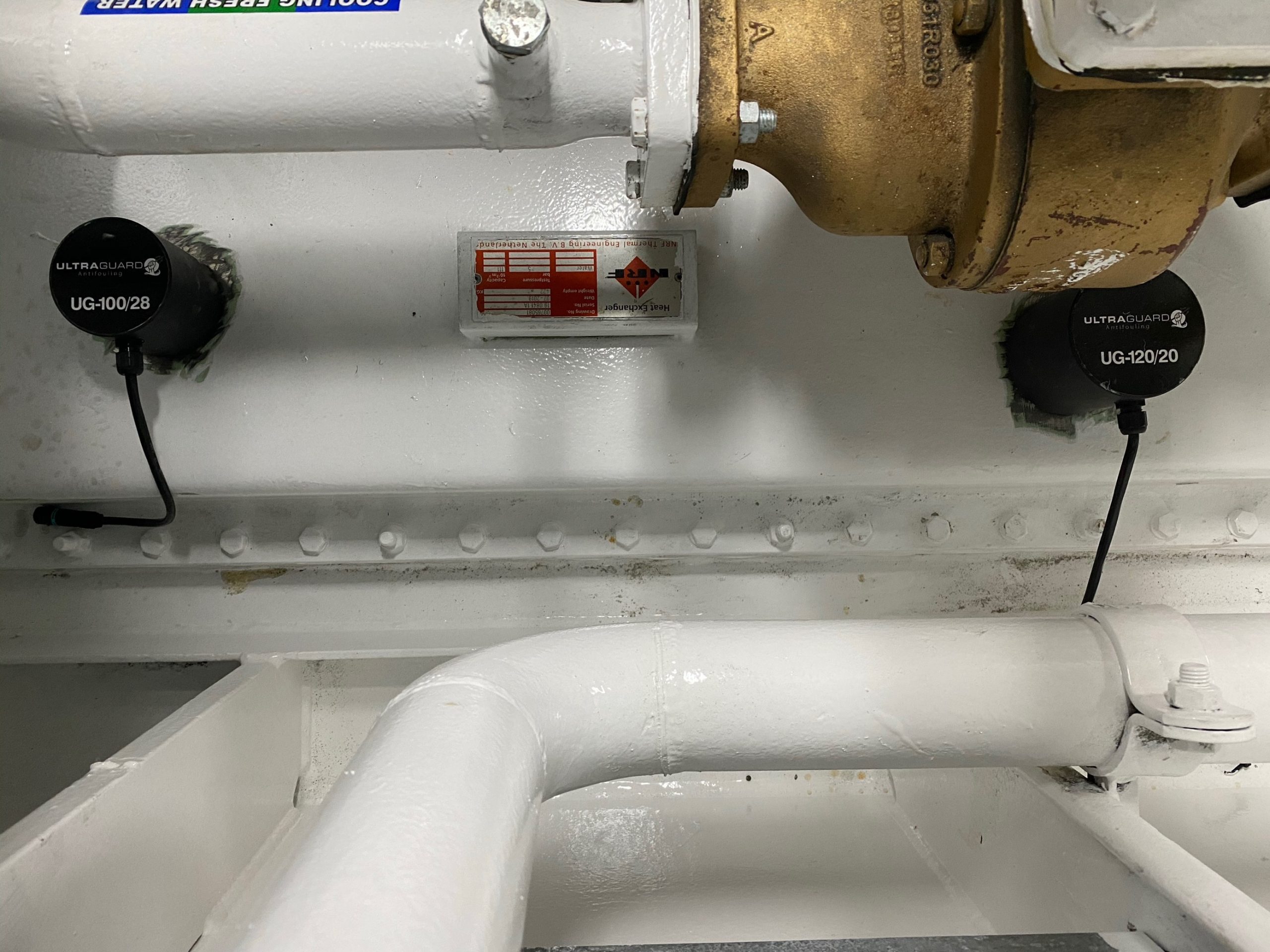
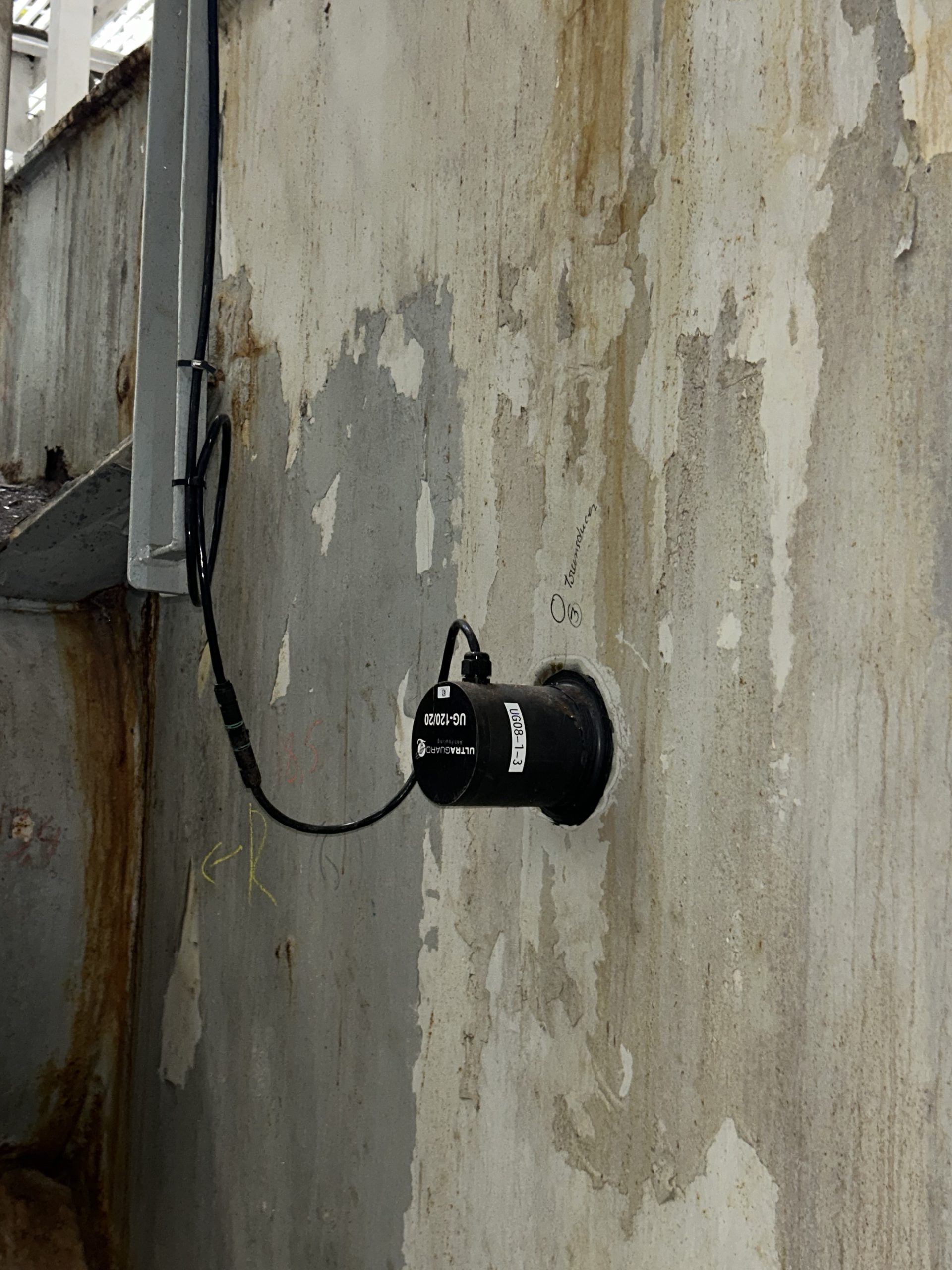
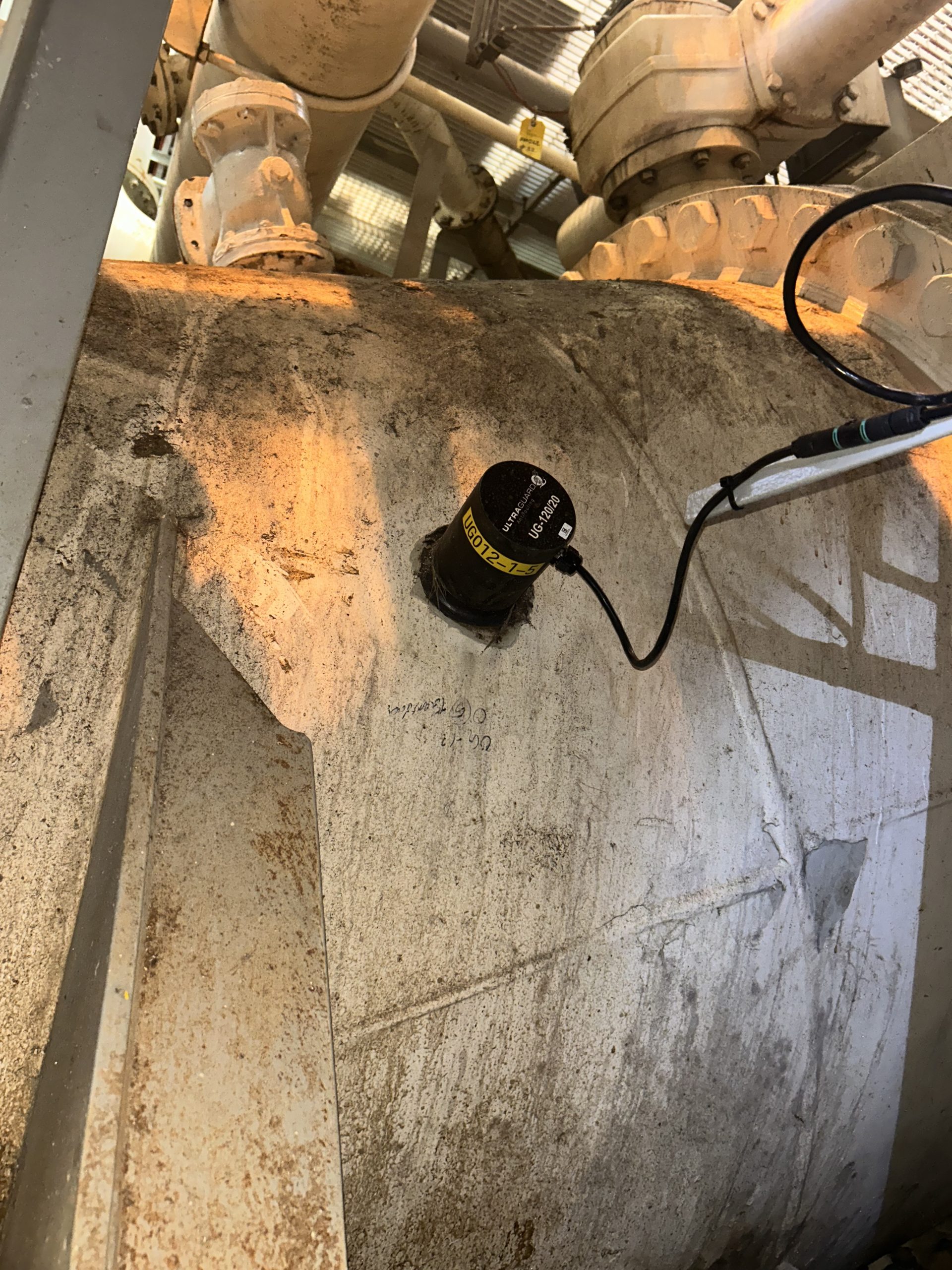
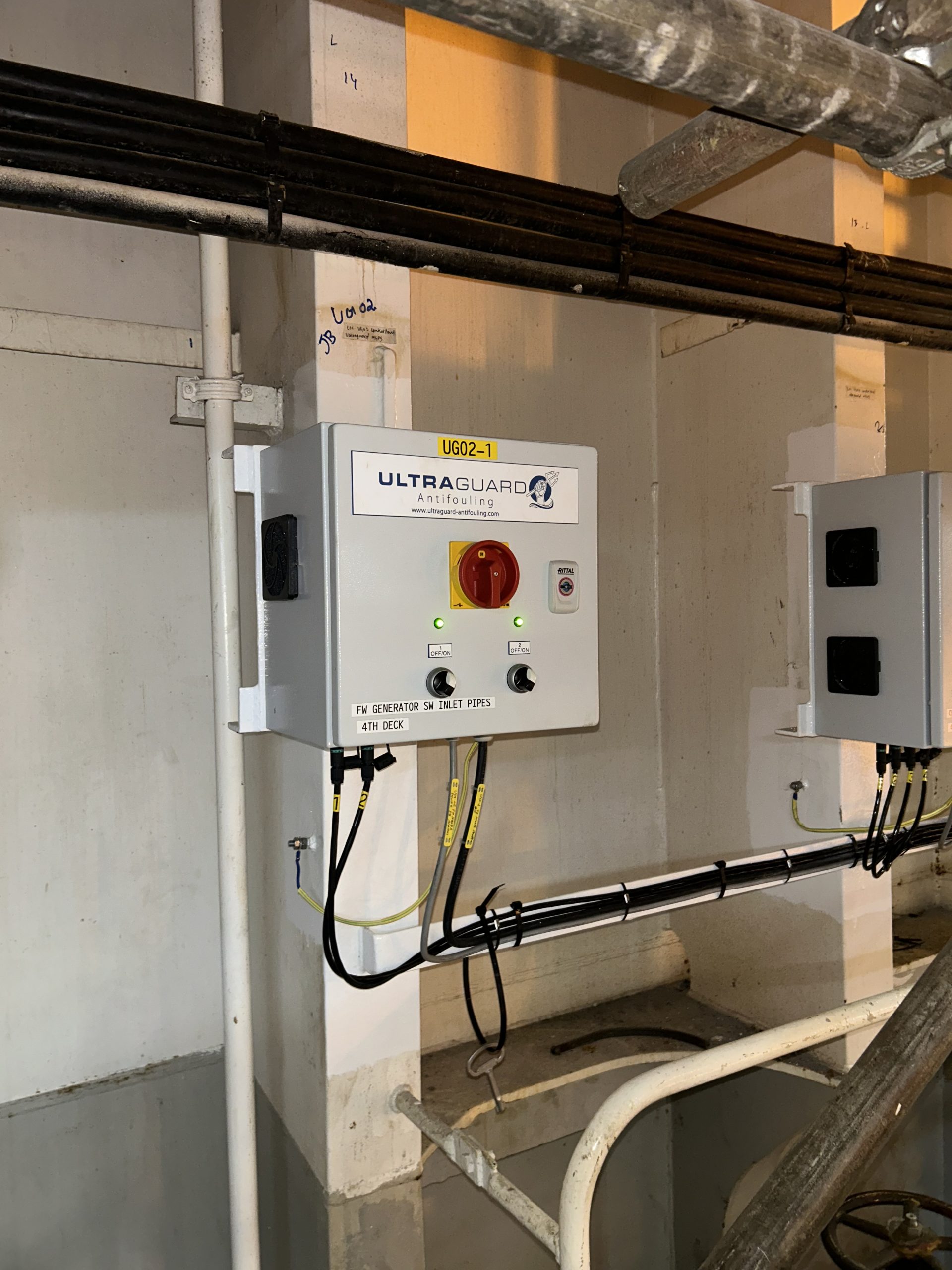
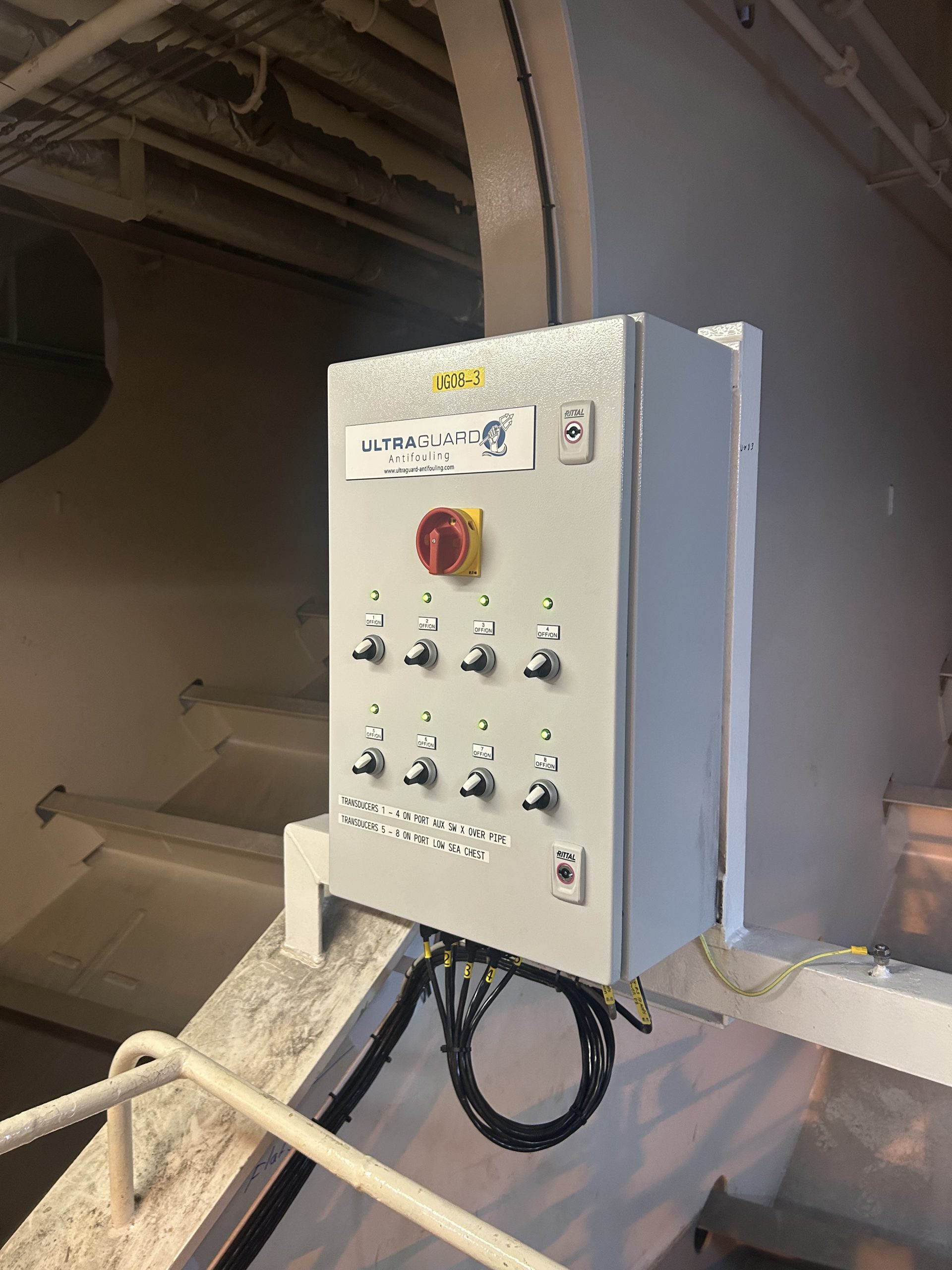
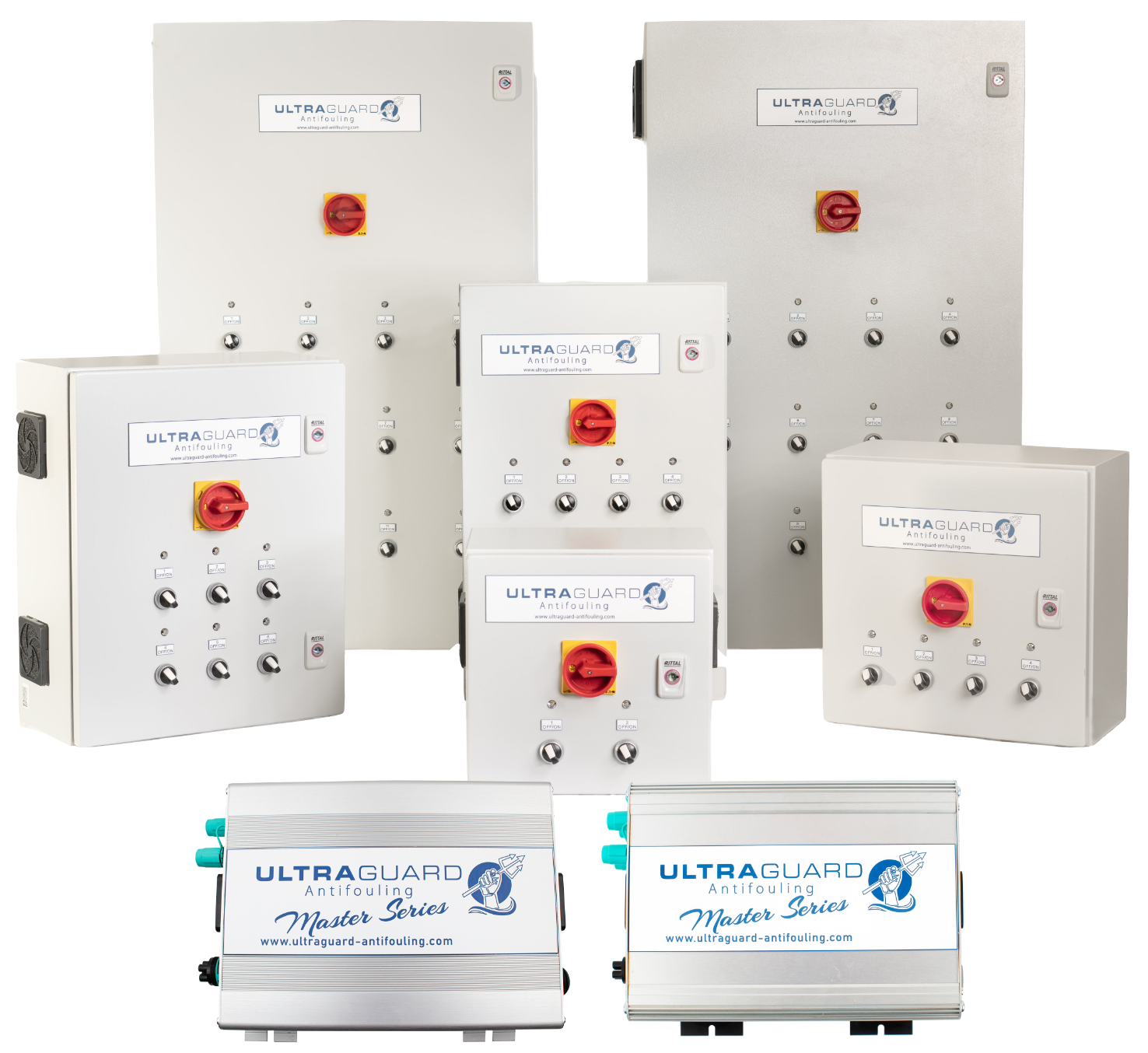
UG Series – Advanced Transducer Systems
A modular solution with ultrasonic transducers, LED status indicators, and app-based software for easy monitoring and control. Designed for permanent installation on vessels or offshore structures.
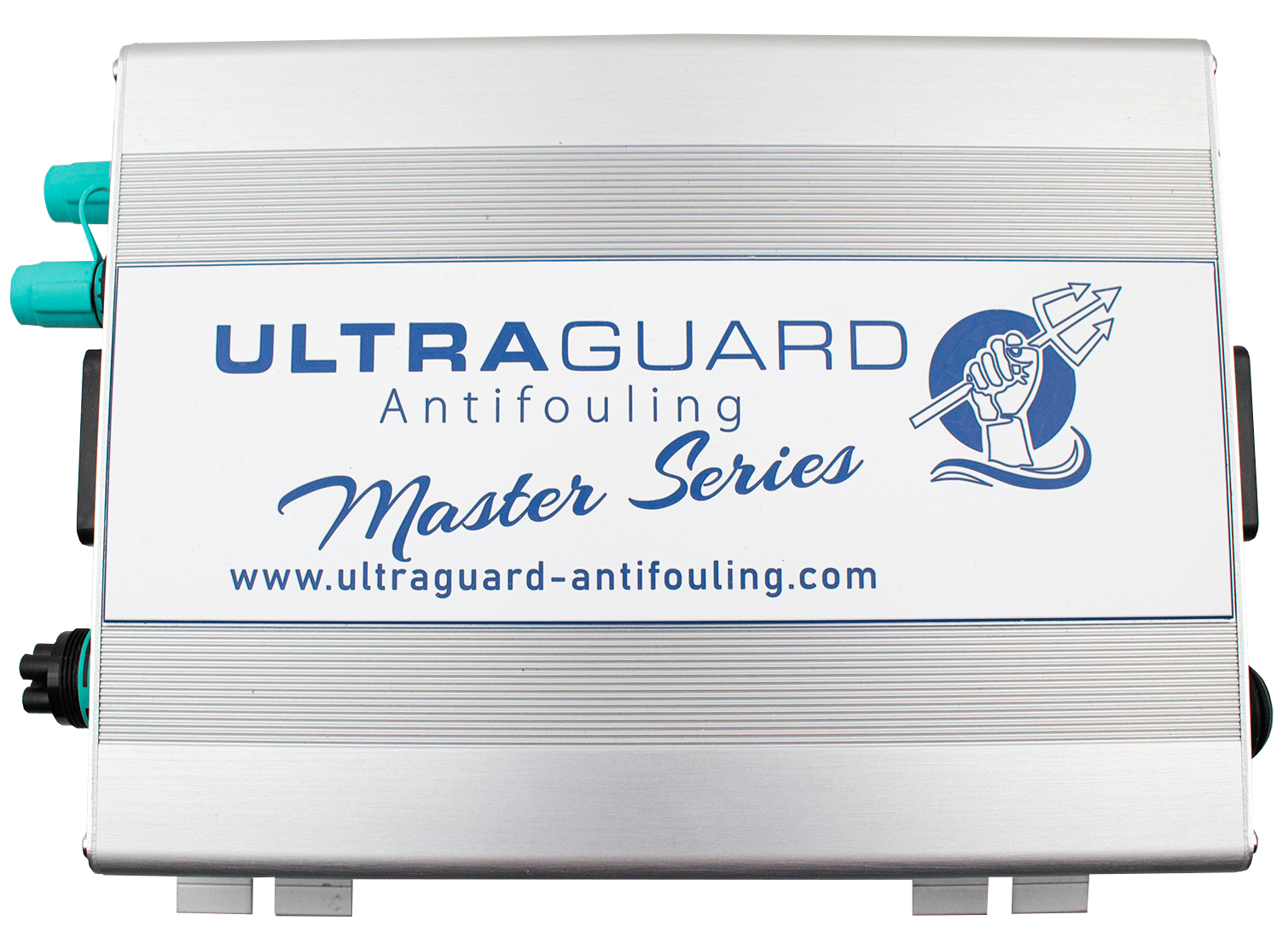
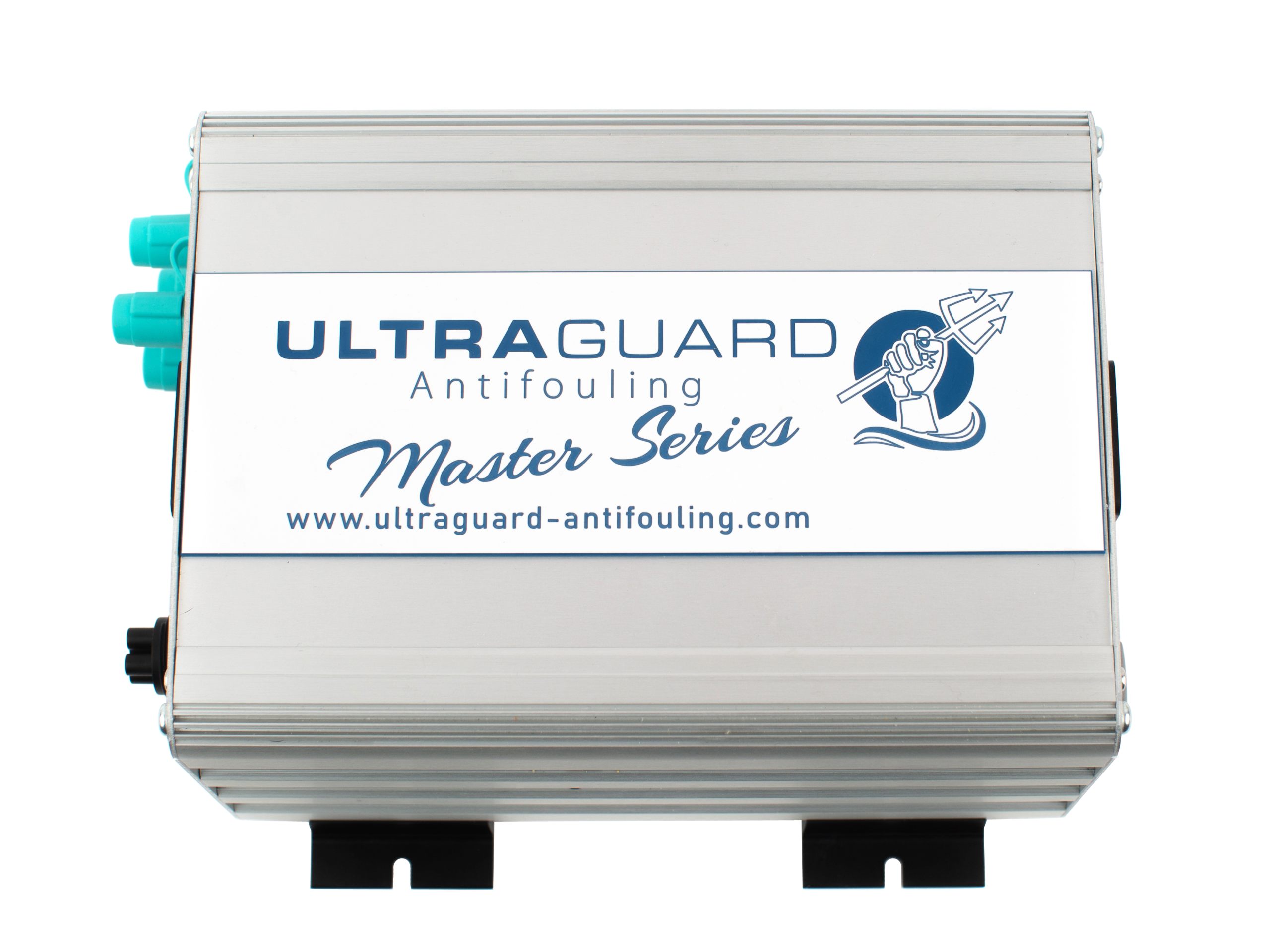
Master Series – Portable DC Systems
A lightweight, battery-powered antifouling system ideal for smaller vessels or applications where portability and installation flexibility are key. Includes built-in battery safety features.
Microbial Control & ROI
Ultraguard systems also reduce microbial contamination, including the diesel bug that affects fuel systems. With no consumables, no drydock needed for installation, and immediate savings, Ultraguard delivers a fast return on investment.
Products offered by Ultraguard US








Ultraguard FAQ’s
Unlike toxic antifouling paints, Ultraguard delivers lower maintenance costs, reduced drag, improved fuel efficiency, and no environmental harm.
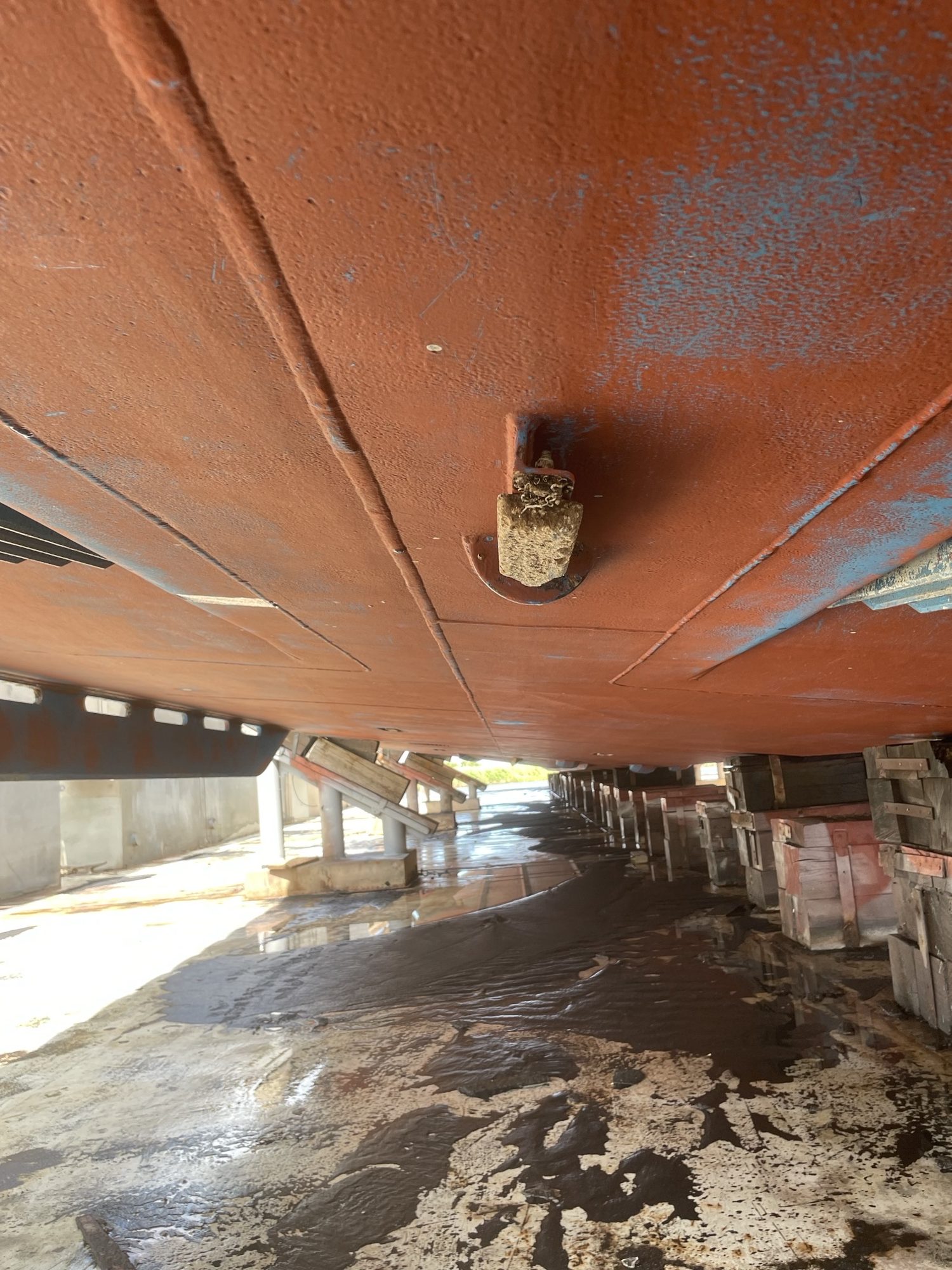
Ultraguard uses ultrasonic sound waves to prevent barnacles and biofouling from attaching to hulls, pipes, and other submerged surfaces.
Yes. Ultraguard systems are suitable for both new builds and retrofits, with flexible installation options.
Yes. Ultraguard is an eco-friendly solution that uses no biocides or chemicals, making it safe for marine ecosystems.